 29 June 2026
 Share
Share
1

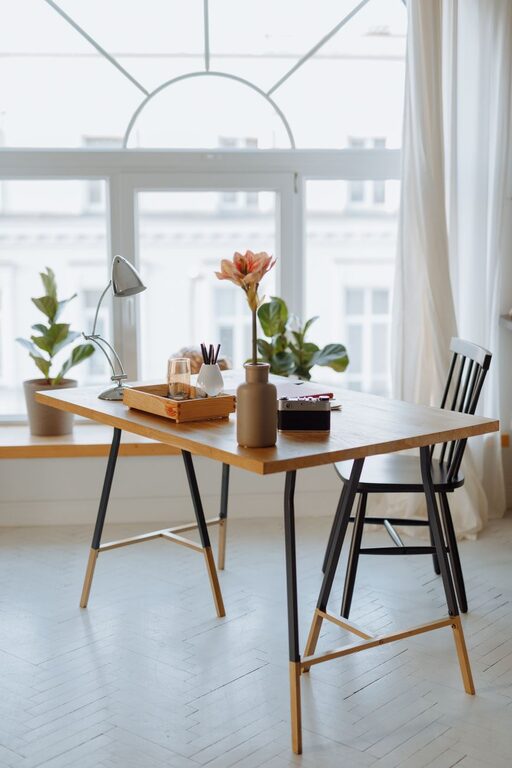
Creating a cozy and functional home workspace is essential for anyone working or studying from home. A well-designed space can boost productivity, reduce stress, and make your workday more enjoyable. Whether you have a dedicated room or just a small corner, a few thoughtful touches can transform your workspace into a pleasant and efficient environment.
When your workspace feels inviting and supports your workflow, you’re more likely to stay focused and motivated. Comfort prevents physical strain, while an organized setup minimizes distractions. Together, these elements create a productive atmosphere that helps you accomplish your goals.
The foundation of a good home workspace is its location within your home.
– Natural Light: If possible, set up near a window to benefit from natural light, which can improve mood and reduce eye strain.
– Quiet Area: Pick a spot away from noisy appliances or heavy foot traffic to maintain concentration.
– Space Availability: Even small areas can work with proper planning, such as a nook or unused closet.
Comfort and ergonomics play major roles in how well your workspace functions.
– Desk: Choose a desk with enough surface area for your computer, notebook, and other essentials. Adjustable desks or those with built-in storage are great options.
– Chair: Invest in a supportive office chair that promotes good posture. Look for adjustable height and lumbar support.
– Additional Seating: If space allows, adding a small chair or cushion can provide a change of position during breaks.
An organized workspace reduces stress and keeps you focused. Consider these tips:
– Declutter Regularly: Keep only items you use regularly on your desk.
– Storage Solutions: Use shelves, drawers, or desk organizers to keep supplies tidy.
– Cable Management: Use clips or sleeves to keep cords neat and prevent tangling.
Adding personal touches can make your workspace feel welcoming.
– Plants: Indoor plants can improve air quality and add a touch of nature.
– Artwork: Hang or place pictures that inspire or calm you.
– Lighting: Use desk lamps or soft lighting options to create a warm ambiance, especially if natural light is limited.
Having the right tools enhances functionality.
– Reliable Internet: A strong internet connection is crucial for smooth remote working.
– Accessories: Consider a good keyboard, mouse, or headset to improve comfort.
– Screen Setup: Position your monitor at eye level to reduce neck strain, or use multiple screens if needed.
A cozy and functional workspace isn’t just about the physical space but also about how you use it.
– Set Work Hours: Define when you start and end your day to maintain balance.
– Breaks: Take short breaks to stretch or walk around, reducing fatigue.
– Limit Distractions: Use apps or settings to limit notifications and avoid multitasking.
Your needs may change over time. Adapt your workspace by:
– Rotating items to refresh the atmosphere.
– Reorganizing storage to accommodate new materials.
– Adjusting lighting and furniture setups for comfort.
Creating a cozy and functional home workspace is all about balance. With the right location, furniture, organization, and personal touches, you can build a space that supports both your productivity and well-being. Start small, and gradually make improvements that fit your lifestyle and work habits. Your perfect home office is within reach!