 29 June 2026
 Share
Share
1

Creating a comfortable and productive home office space is essential for anyone working remotely or managing tasks from home. A well-designed workspace can improve focus, reduce stress, and help maintain a healthy work-life balance. Whether you have a dedicated room or a small corner, these tips will help you set up an environment that supports your best work.
Finding the ideal spot for your home office is the first step. Consider these factors:
– Natural Light: Choose a space with plenty of natural light. It helps reduce eye strain and boosts mood.
– Quiet Environment: Pick a quiet area where you can concentrate without distractions from household noise.
– Space Availability: Ensure there’s enough room for your desk, chair, and any equipment you need.
If space is limited, a corner in your living room or bedroom can work well with proper organization.
Comfort is key to staying productive for long hours. Here’s what to consider:
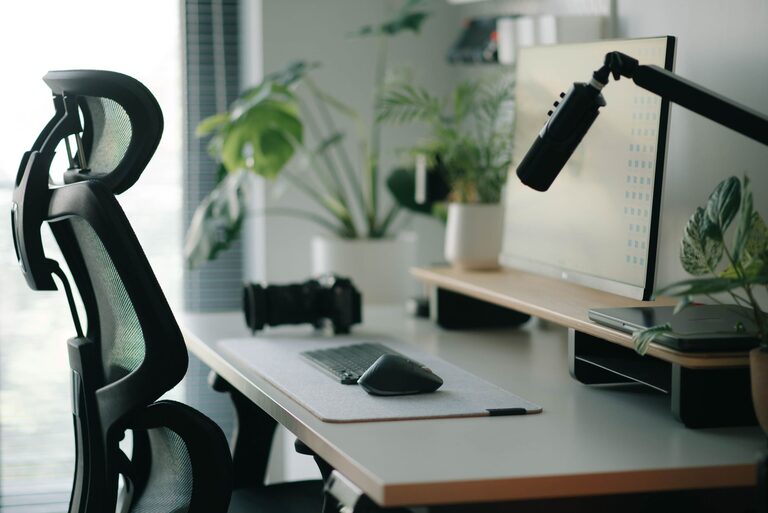
– Ergonomic Chair: Look for adjustable chairs that support your lower back and promote good posture.
– Desk Height: Your desk should allow your arms to rest comfortably at a 90-degree angle.
– Monitor Position: Place your computer screen at eye level to avoid neck strain. Use a monitor stand if needed.
Ergonomic furniture reduces discomfort and the risk of repetitive strain injuries.
A clutter-free workspace can enhance focus and efficiency. Try these organization tips:
– Storage Solutions: Use shelves, drawers, and boxes to keep supplies tidy and within reach.
– Cable Management: Use clips or cable organizers to keep cords neat and prevent tangling.
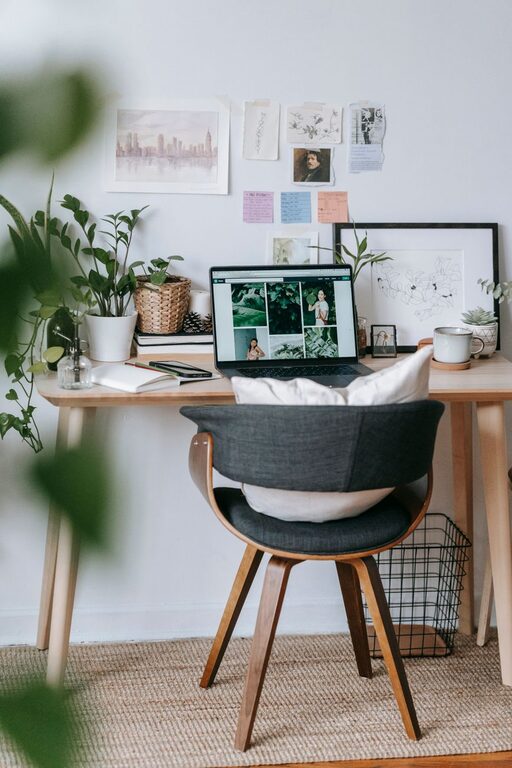
– Minimal Decor: Keep decorations simple to avoid distractions, but add personal touches like plants or photos for a pleasant feel.
Regularly declutter your space to maintain a clear and inviting environment.
Good lighting reduces eye fatigue and keeps you alert. Consider the following:
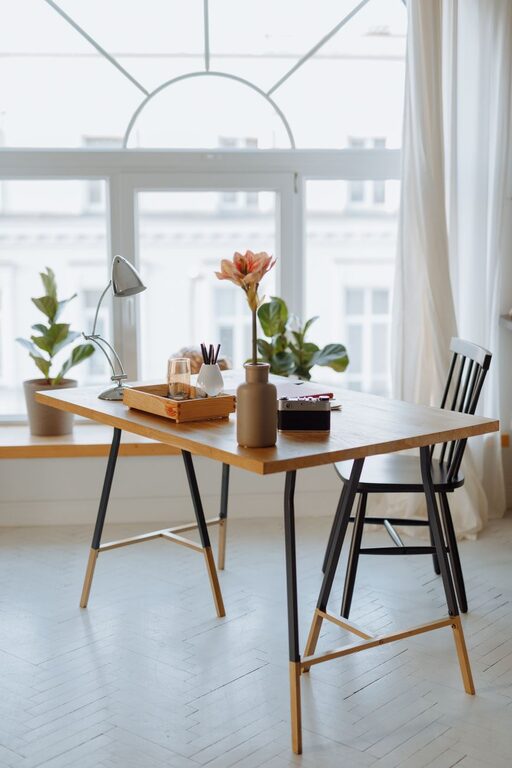
– Layered Lighting: Combine natural light with overhead lighting and task lamps.
– Adjustable Lamps: Desk lamps with adjustable brightness and direction help when working on detailed tasks.
– Avoid Glare: Position screens and lights to prevent glare that can cause headaches and strain.
If natural light is limited, invest in daylight bulbs to mimic natural lighting.
Your home office should feel pleasant, regardless of the weather.
– Ventilation: Fresh air helps you stay alert. Open windows when possible or use fans.
– Temperature Control: A room that’s too hot or cold can distract you. Use heaters or air conditioning to find a comfortable balance.
– Humidity: Too dry or too moist air can impact comfort. A humidifier or dehumidifier can help maintain ideal conditions.
Comfortable climate enhances your ability to focus and work longer without discomfort.
Staying focused is easier when distractions are minimized.
– Noise Control: Use noise-canceling headphones or white noise machines to block out disruptive sounds.
– Clear Boundaries: If you live with others, communicate your work hours and space boundaries.
– Digital Discipline: Limit social media and non-work notifications during work time using apps or settings.
Creating a quiet, distraction-free environment helps maintain productivity.
Adding personal touches can make your home office inviting.
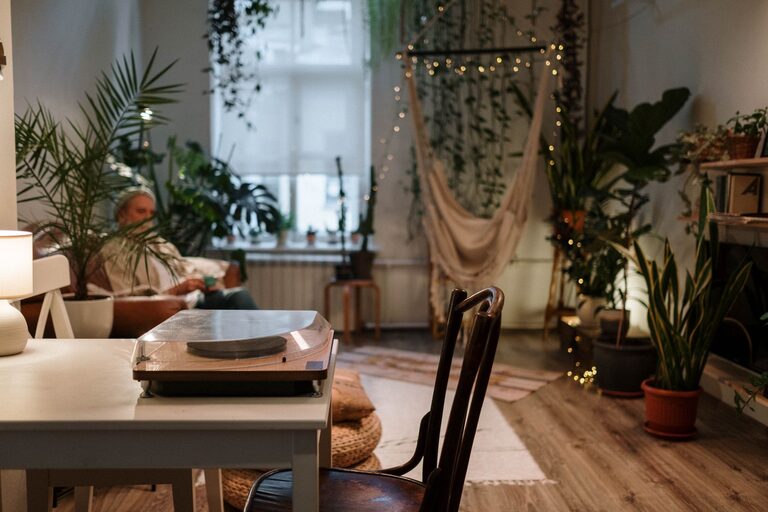
– Plants: Indoor plants improve air quality and add a calming touch.
– Artwork: Display artwork or photos that inspire you.
– Comfort Items: Cozy blankets, cushions, or a favorite mug can make your space more enjoyable.
Personalization helps motivate you and reduces the feeling of isolation when working from home.
A well-set environment is most effective when combined with good habits.
– Set Work Hours: Define clear start and end times for your workday.
– Take Breaks: Schedule short breaks to stretch and rest your eyes.
– Organize Tasks: Use planners, apps, or calendars to plan your day and prioritize work.
A routine helps separate work time from personal time, improving overall balance.
—
Setting up a home office that is both comfortable and productive takes thoughtful planning, but the benefits are worth the effort. By choosing the right location, investing in ergonomic furniture, optimizing lighting, and maintaining organization, you can create a workspace that supports your well-being and success. Remember, the key is to tailor your space to fit your personal preferences and work style. Happy working!