 29 June 2026
 Share
Share
1


Creating a cozy and productive home office is essential in today’s world, where many of us spend a significant part of our day working from home. A well-designed workspace can enhance focus, reduce stress, and boost overall work efficiency. Whether you have a dedicated room or a small corner, these tips will help you craft a home office that balances comfort and productivity.
Finding the ideal spot in your home for your office is the first step. Consider the following:
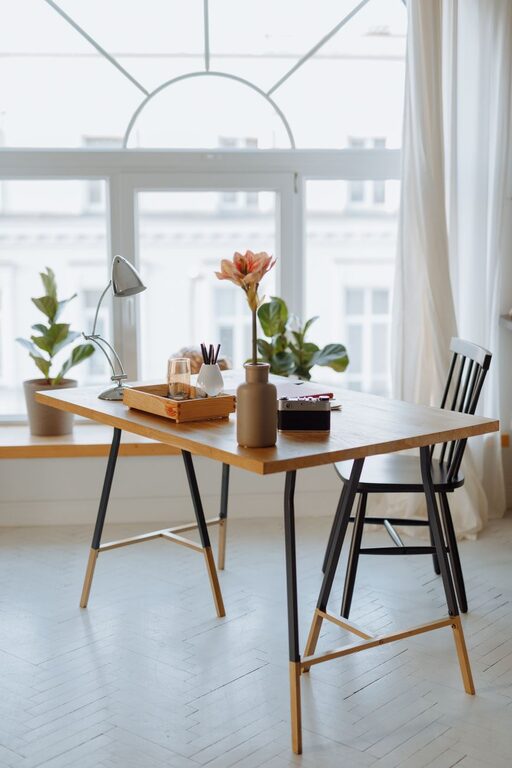
– Natural Light: Position your desk near a window if possible. Natural light improves mood and reduces eye strain.
– Quiet Area: Select a space away from noisy appliances, high-traffic areas, or distractions.
– Privacy: Make sure you can close the door or set boundaries if family or roommates share your home.
Even a small corner in a living room or bedroom can work well if it’s thoughtfully arranged.
Comfort is key for maintaining productivity. Ergonomic furniture supports your body and reduces fatigue.
– Desk: Choose a desk with enough surface area to comfortably hold your computer, notebooks, and essential tools.
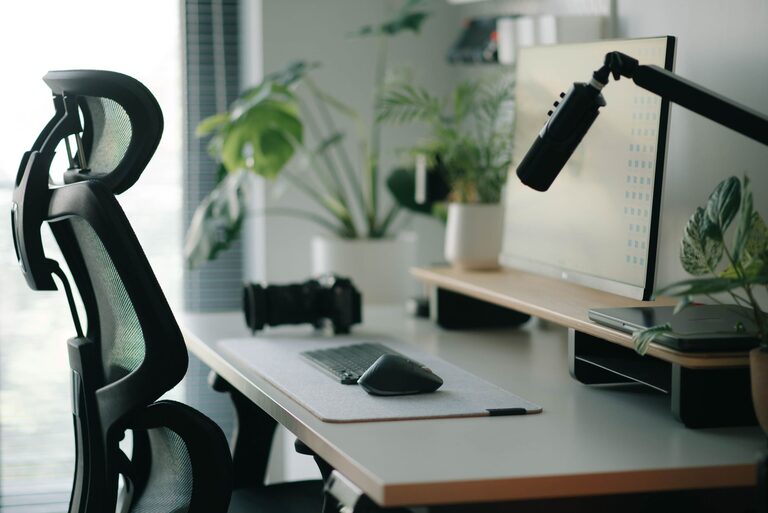
– Chair: An adjustable chair with lumbar support helps maintain good posture.
– Accessories: Consider a footrest or an ergonomic keyboard and mouse if you spend long hours working.
Taking care of your physical well-being minimizes discomfort and keeps you focused.
Clutter in your workspace can lead to distraction and inefficiency. Here are some ideas to stay organized:
– Storage Solutions: Use shelves, drawers, or cabinets to store supplies and paperwork.
– Declutter Regularly: Keep only the essentials on your desk and put away unnecessary items.
– Cable Management: Use clips or cable organizers to keep cords tidy and prevent tangling.
An organized office helps you find what you need quickly and maintains a pleasant environment.
Adding personal touches makes your workspace inviting and enjoyable:
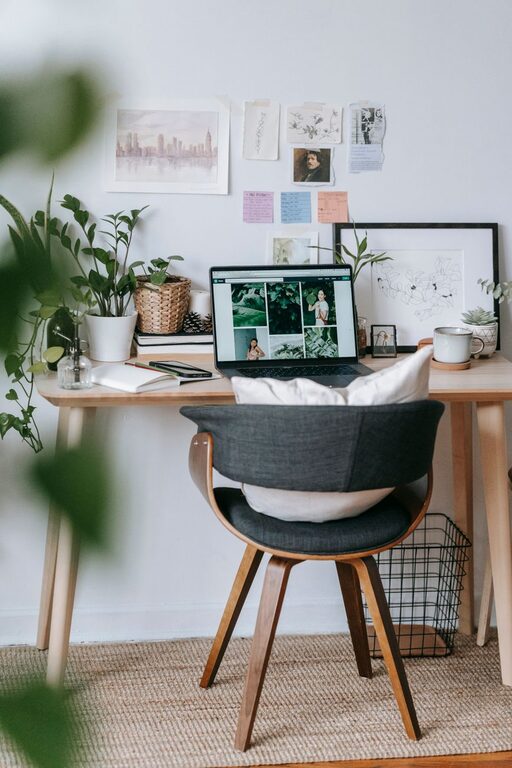
– Decor: Hang artwork, photos, or motivational quotes that inspire you.
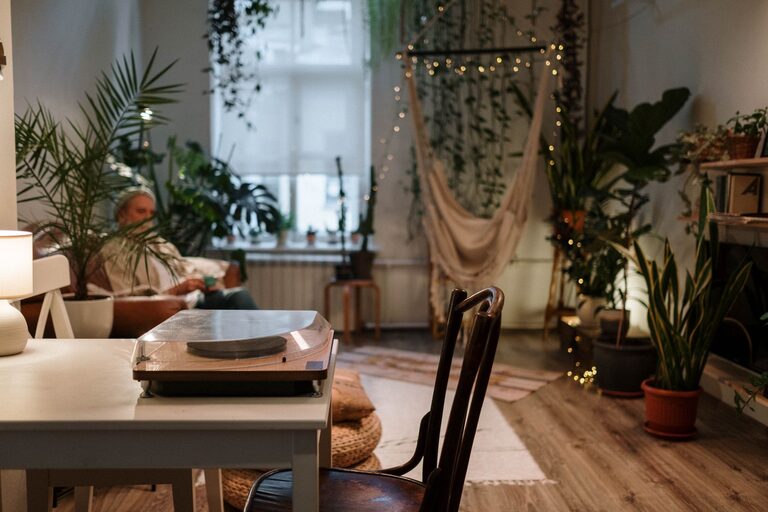
– Plants: Indoor plants add color and improve air quality, creating a relaxing atmosphere.
– Colors: Choose calming colors or your favorite shades for walls, accessories, or furniture.
Personalization helps you feel comfortable and motivated during your workday.
Proper lighting reduces eye strain and sets the right work mood.
– Ambient Lighting: Use overhead lights or lamps to provide general illumination.
– Task Lighting: A desk lamp directed toward your work area improves focus.
– Adjust Brightness: Use adjustable lights and consider light bulbs with warm tones for a cozy feel.
Combining natural and artificial light sources offers flexibility for different times of the day.
A focused environment supports productivity. Consider these strategies:
– Noise Control: Use noise-canceling headphones or a white noise machine to reduce background sounds.
– Digital Boundaries: Turn off non-work notifications or use apps that limit distractions.
– Defined Work Hours: Establish a routine and inform household members to respect your work time.
Minimizing interruptions helps maintain concentration and efficiency.
Technology should support your workflow, not complicate it.
– Reliable Equipment: Invest in a fast computer, quality webcam, and good internet connection.
– Accessories: Use an external monitor or keyboard to improve comfort.
– Backup Power: Consider a surge protector or an uninterruptible power supply to prevent data loss.
Keeping technology streamlined ensures smoother workdays.
Taking short breaks refreshes your mind and body.
– Comfortable Seating: Add a cozy chair or small sofa for quick breaks.
– Stretching Area: Use an open space or yoga mat for stretching exercises.
– Hydration Station: Keep water and healthy snacks within reach.
A relaxation zone encourages healthy habits and prevents burnout.
Designing a cozy and productive home office doesn’t require a large budget or space — thoughtful choices and attention to comfort can make a big difference. By selecting the right location, investing in ergonomic furniture, organizing efficiently, and personalizing your space, you’ll create an environment that supports your best work. Remember, balance is key: a workspace that feels good will help you stay motivated and focused every day.