
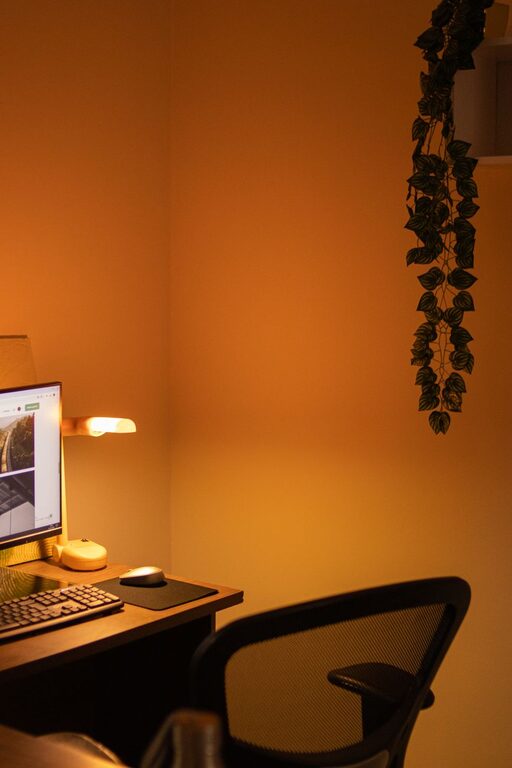
Creating a cozy and inviting home office space can transform the way you work from home. Whether you are working a full-time job, freelancing, or managing a household, a well-designed workspace can increase your focus and make spending time on tasks more pleasant. Below, you will find practical tips and ideas to help you create a home office that feels both comfortable and inspiring.
Choose the Right Location
Selecting the best spot for your home office is a key starting point. Ideally, pick a quiet area with minimal distractions. If possible, find a room or corner with natural light. Sunlight improves mood and energy levels, making it easier to concentrate.
If space is limited, consider using a section of your living room or bedroom, but try to create a clear boundary using furniture or room dividers. This separation helps signal to your brain that it’s time to focus when you are in your work area.
Invest in Comfortable Furniture
Comfort is essential when you spend long hours working. A quality ergonomic chair that supports your back and promotes good posture is worth the investment. Look for chairs with adjustable height, lumbar support, and cushioned seating.
Choose a desk at a height that allows your forearms to rest parallel to the floor when typing or writing. If space allows, a larger desk can accommodate your computer, office supplies, and some personal items without feeling cluttered.
Use Soft, Inviting Colors
Color plays a significant role in setting the mood of your workspace. Soft, muted tones such as light blues, greens, or warm neutrals create a calm atmosphere. These colors reduce stress and fatigue, helping you stay focused longer.
You can incorporate color through painted walls, artwork, or decorative items like rugs, cushions, and curtains. Avoid overly bright or distracting colors that may interfere with concentration.
Add Personal Touches
Including personal touches in your home office makes the space uniquely yours. Display photographs, favorite books, or inspirational quotes you find motivating. Adding plants not only brings a bit of nature indoors but also improves air quality.
Artwork or decorative objects that make you smile or feel relaxed can boost your mood during challenging workdays. Just remember to keep personal items organized so they don’t become distractions.
Optimize Lighting
Good lighting is vital for comfort and productivity. In addition to natural light, use adjustable task lighting that illuminates your workspace evenly without causing glare on your screens or papers.
Table lamps with soft white bulbs or LED desk lamps are excellent choices. If overhead lighting is harsh, consider installing dimmers or using floor lamps to soften the room’s brightness.
Keep Supplies Organized
A clutter-free desk helps your mind stay clear and focused. Use organizers such as trays, file holders, and drawer dividers to keep pens, papers, and other office supplies tidy.
Shelving units or cabinets can store extra materials and help maintain a clean and organized appearance. Implement a filing system for important documents to easily access what you need without wasting time.
Incorporate Cozy Textures
Adding cozy textures to your office creates a welcoming environment. Soft rugs, throw blankets, and cushioned seat pads add warmth and comfort.
Consider materials like wool, cotton, or faux fur for a plush feel underfoot or nearby. These textures can make your office feel more like a relaxing retreat instead of a sterile workspace.
Control Noise Levels
Noise can be distracting and make it difficult to focus. Use thick curtains, rugs, and upholstered furniture to absorb sound and reduce echo.
If outside noise is unavoidable, noise-canceling headphones or white noise machines can help mask distractions and improve concentration.
Maintain Good Air Quality
A fresh and well-ventilated space contributes to mental clarity and overall comfort. Open windows regularly to allow fresh air in, and consider using an air purifier if needed.
Plants also help improve air quality while adding life to the room, so try to include low-maintenance options such as succulents or pothos.
Designate Break Areas
Even in a small home office, it’s helpful to create a spot where you can take short breaks away from your desk. A small armchair, a pouf, or a window seat can be perfect for stretching, reading, or enjoying a cup of tea.
Taking regular breaks helps prevent burnout and keeps you refreshed throughout the day.
Final Thoughts
Designing a cozy and inviting home office is about balancing comfort, functionality, and personalization. By choosing the right space, investing in quality furniture, optimizing lighting and organization, and adding soft touches, you can create a work environment that supports productivity and wellbeing.
Remember, your home office should be a space you enjoy spending time in — one that energizes you and helps you stay focused on the tasks that matter most. With the right setup, working from home can truly feel comfortable and inspiring.
About the Author
